
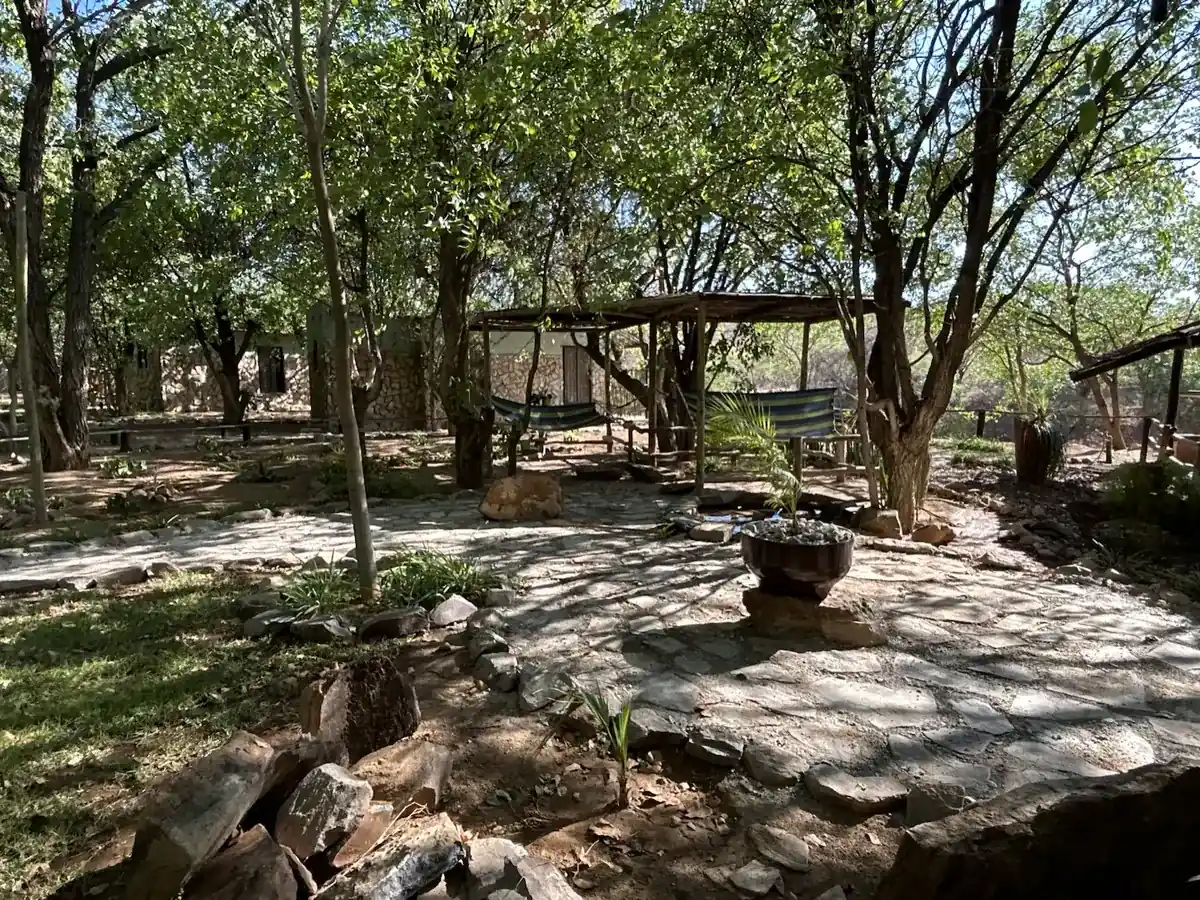
The garden at Kaoko Mopane Lodge, a quiet place for birdwatching near Opuwo

Birdwatching in Opuwo · KaokolandBirding at Kaoko Mopane

Our lodge sits under mopane trees beside an old riverbed, 5 km outside Opuwo. Birds come through the garden and the woodland around us, and over the years Rene has been photographing the ones that linger. There is no guided birding tour here — only our two Himba tours, led by local guides. For birds, bring a pair of binoculars, walk quietly, and see who turns up.

Birds we have photographed right here

These photographs were taken at Kaoko Mopane. We do not keep a formal lodge list, and we will not pretend a species lives in the garden unless we have seen it here. What we can say is this: sit still for a little while, and the mopane is rarely silent.

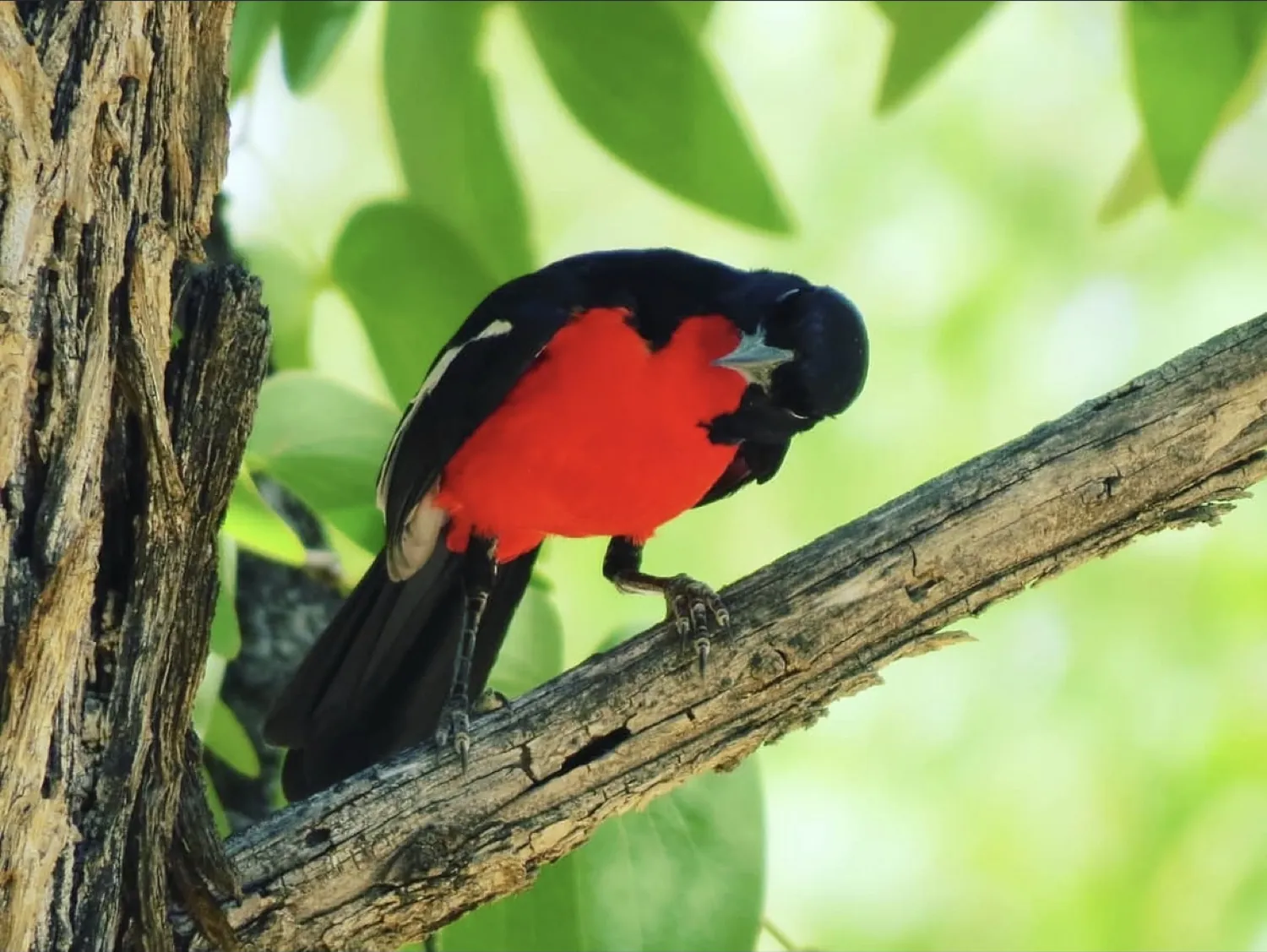
A Crimson-breasted Shrike with a bright red breast and black head, perched on a branch at Kaoko Mopane Lodge near Opuwo
Crimson-breasted Shrike, photographed at Kaoko Mopane

Photos: Rene

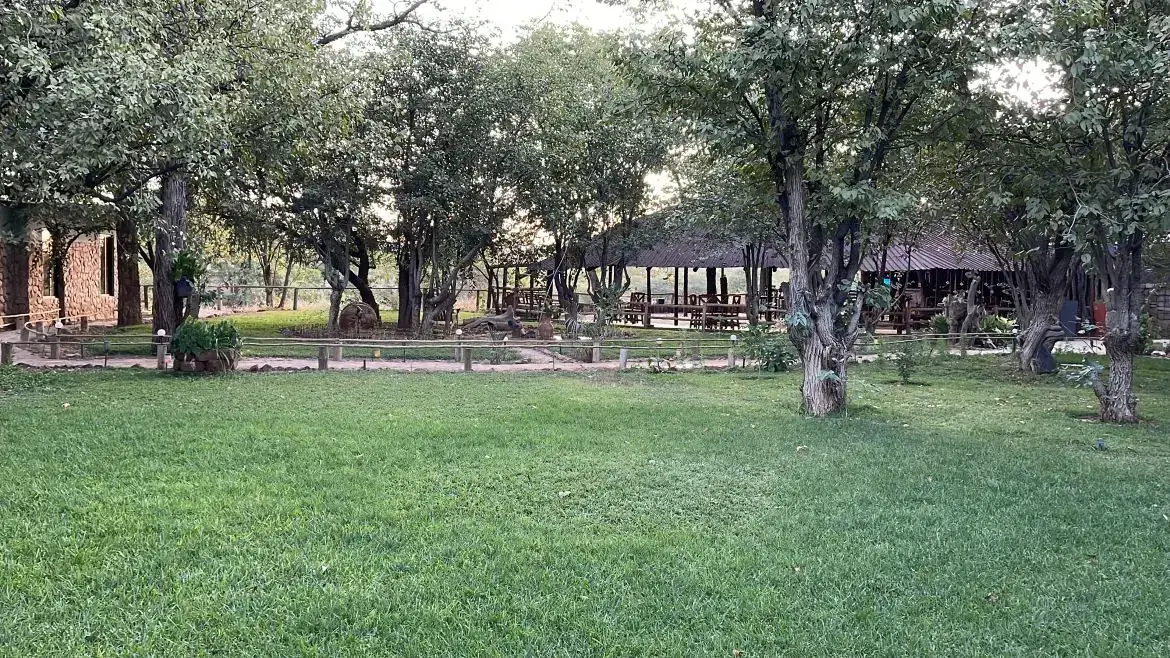
Green lawn and shady trees in the garden — one of the calm places to stay in Opuwo
The garden at the lodge
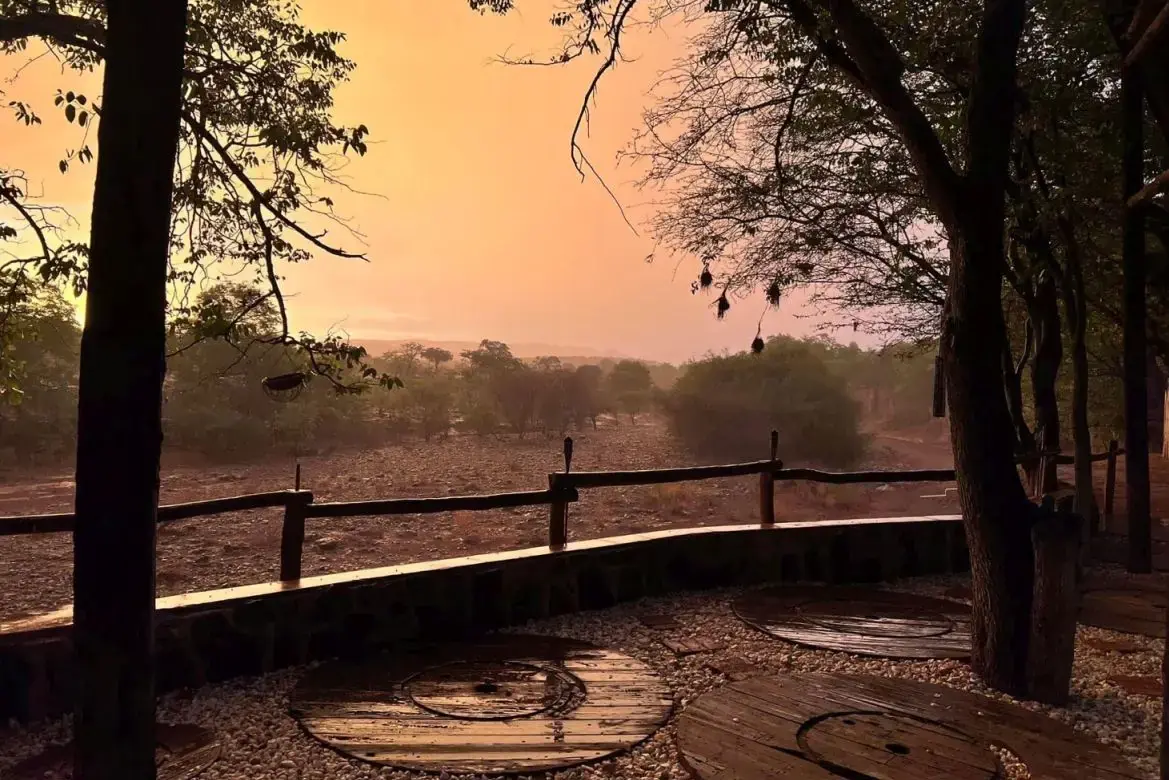
Sunset through the mopane trees at a lodge in Opuwo, seen from the deck at Kaoko Mopane
Sunset through the mopane, from the deck
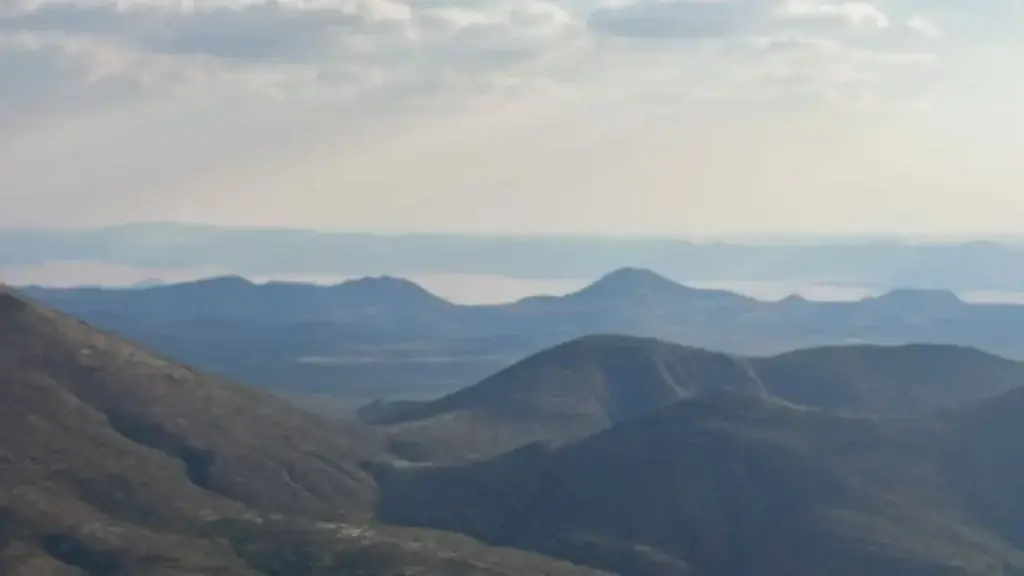
Layered mountain ranges of Kaokoland north of Opuwo, the landscape around our Kaokoland accommodation
The mountains of Kaokoland, north of Opuwo

Kaokoland specials to look for

Birders come to this corner of Namibia for a handful of near-endemics — birds that live almost only in north-western Namibia and south-western Angola. Around Opuwo and in the mopane woodland of Kaokoland, these are the ones most often hoped for. We list them as birds of the wider area, not as a promise that each one will appear at the lodge.

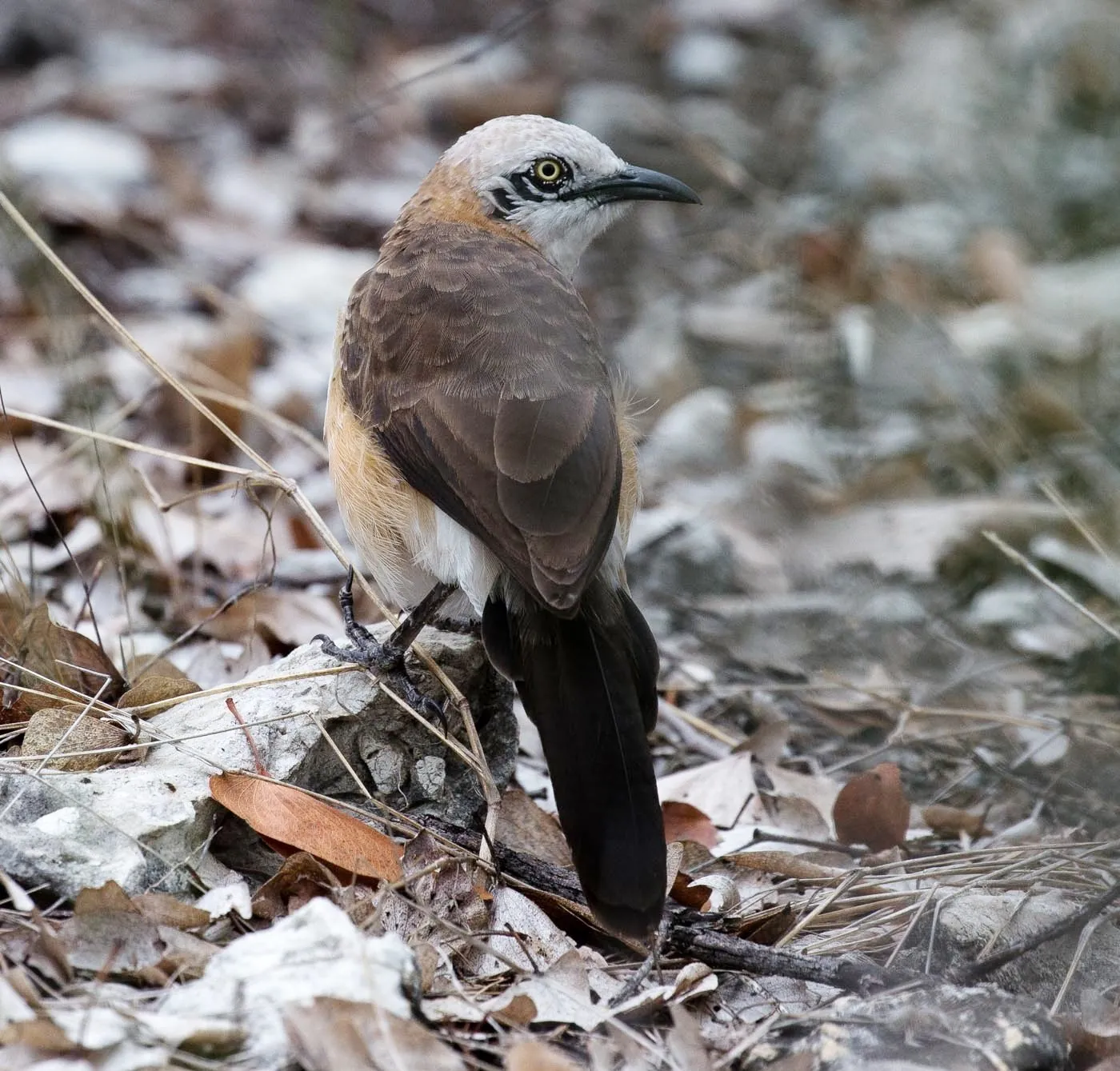
  • Bare-cheeked Babbler (Turdoides gymnogenys), photographed in the Etosha area, Namibia — not at the lodge

    Bare-cheeked Babbler

    Turdoides gymnogenys
    Look for
    Look and listen for noisy family groups.
    Where
    In mopane woodland, along dry riverbeds, and sometimes at camps with water. A near-endemic of north-western Namibia and south-western Angola.

    Photo: Ragnhild & Neil Crawford (CC BY-SA 2.0)

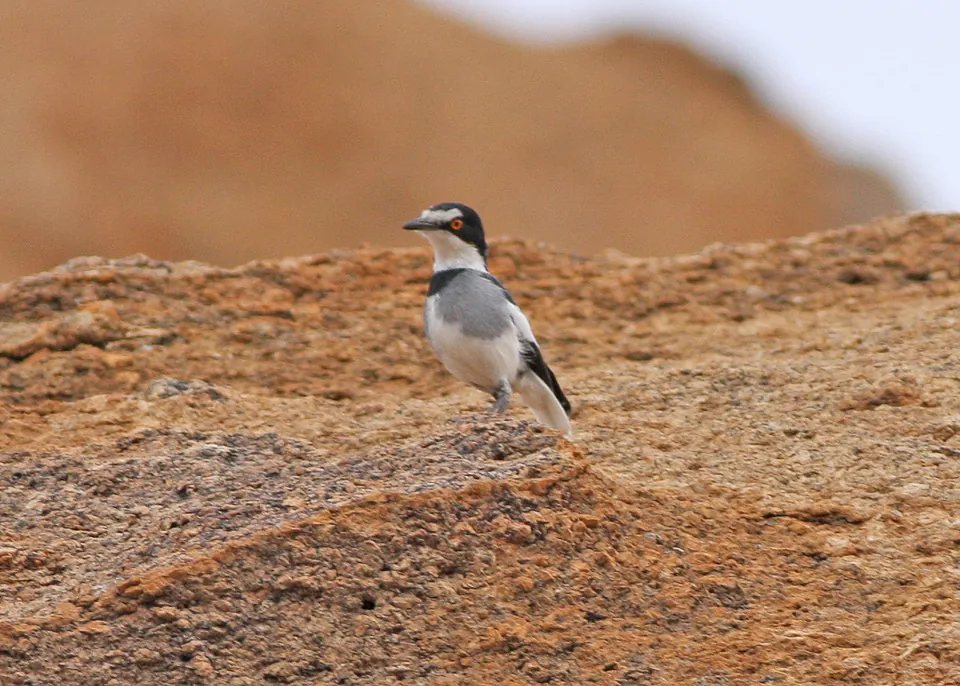
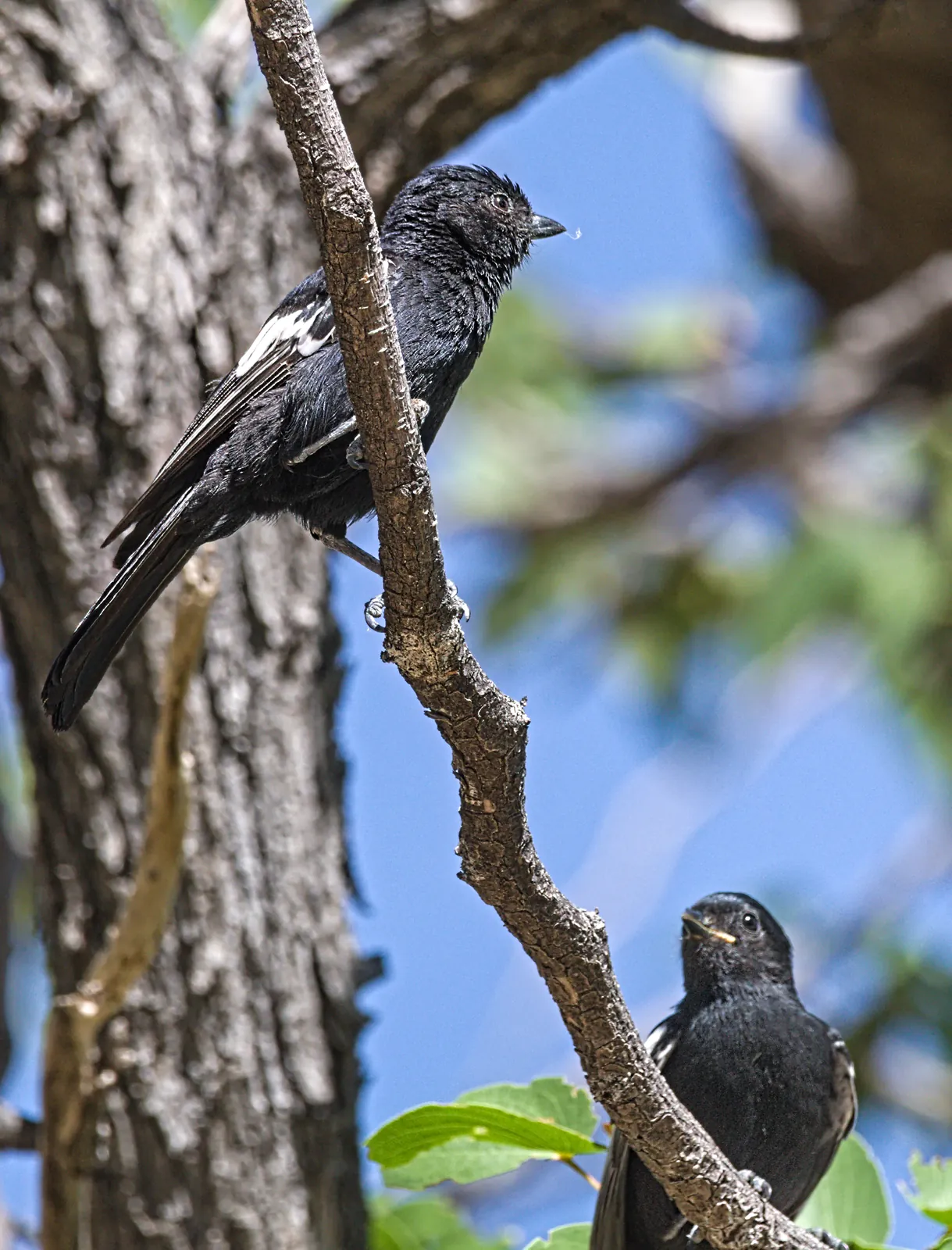
  • White-tailed Shrike (Lanioturdus torquatus), photographed in Namibia — not at the lodge

    White-tailed Shrike

    Lanioturdus torquatus
    Look for
    An upright, short-tailed bird. It hops about low in the bushes; the white tail and thrush-like stance give it away.
    Where
    Recorded around Opuwo as well as more widely in the Kaokoveld, in arid north-western Namibia.

    Photo: Ron Knight (CC BY 2.0)

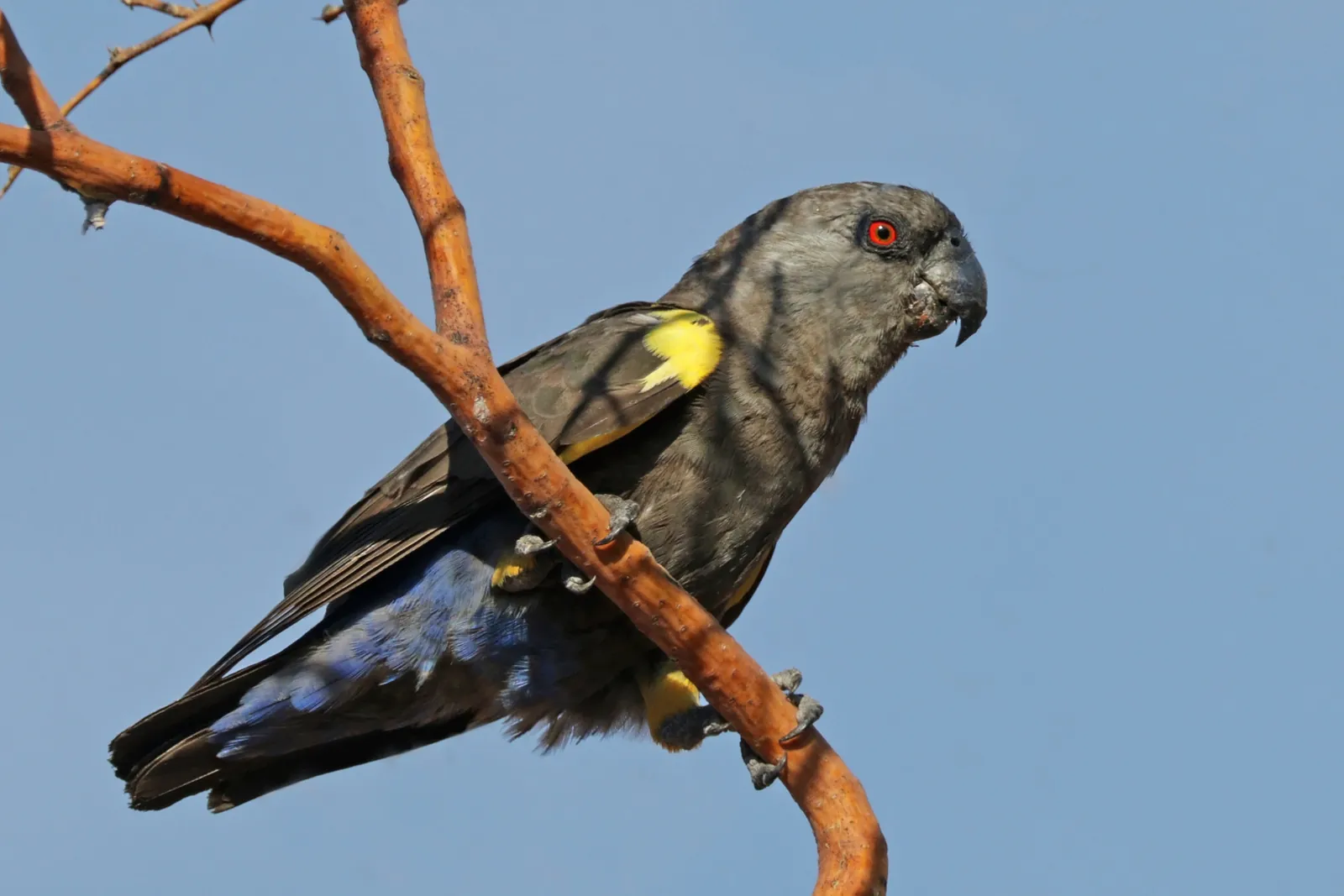
  • Rüppell’s Parrot (Poicephalus rueppellii), photographed in Damaraland, Namibia — not at the lodge

    Rüppell’s Parrot

    Poicephalus rueppellii
    Look for
    A small grey-brown parrot. Search in the morning along dry riverbeds; waterholes where flocks come to drink are a good bet.
    Where
    Around Opuwo and in the Kaokoveld. Found only in this part of Namibia and south-western Angola.

    Photo: Charles J. Sharp, Sharp Photography (CC BY-SA 4.0)

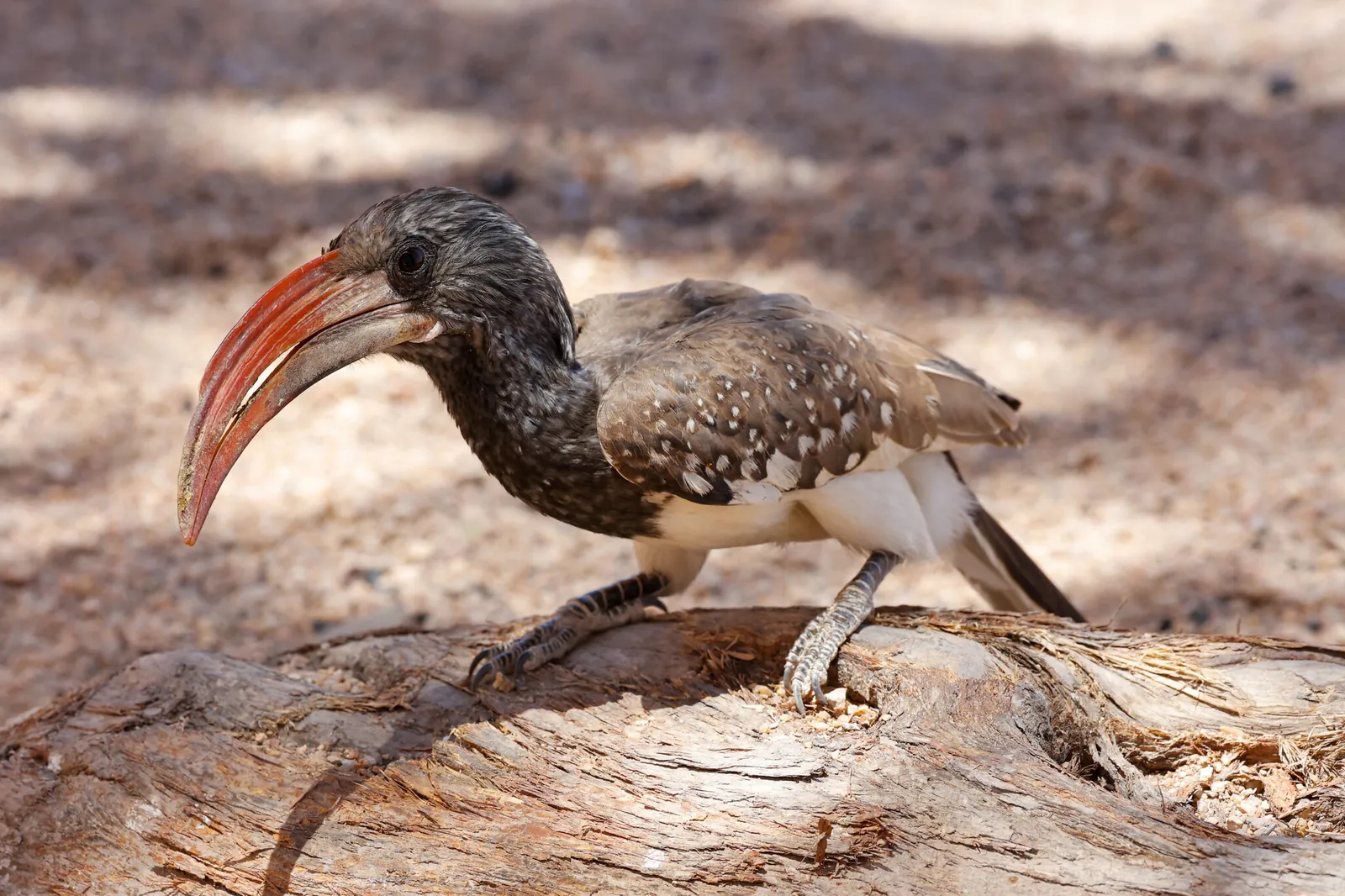
  • Monteiro’s Hornbill (Tockus monteiri), photographed in Namibia — not at the lodge

    Monteiro’s Hornbill

    Tockus monteiri
    Look for
    In flight, look for the white wing panel and white tail edges.
    Where
    A near-endemic hornbill of dry, rocky country and mopane. Regularly recorded around Opuwo.

    Photo: Tom Field (CC BY 4.0)

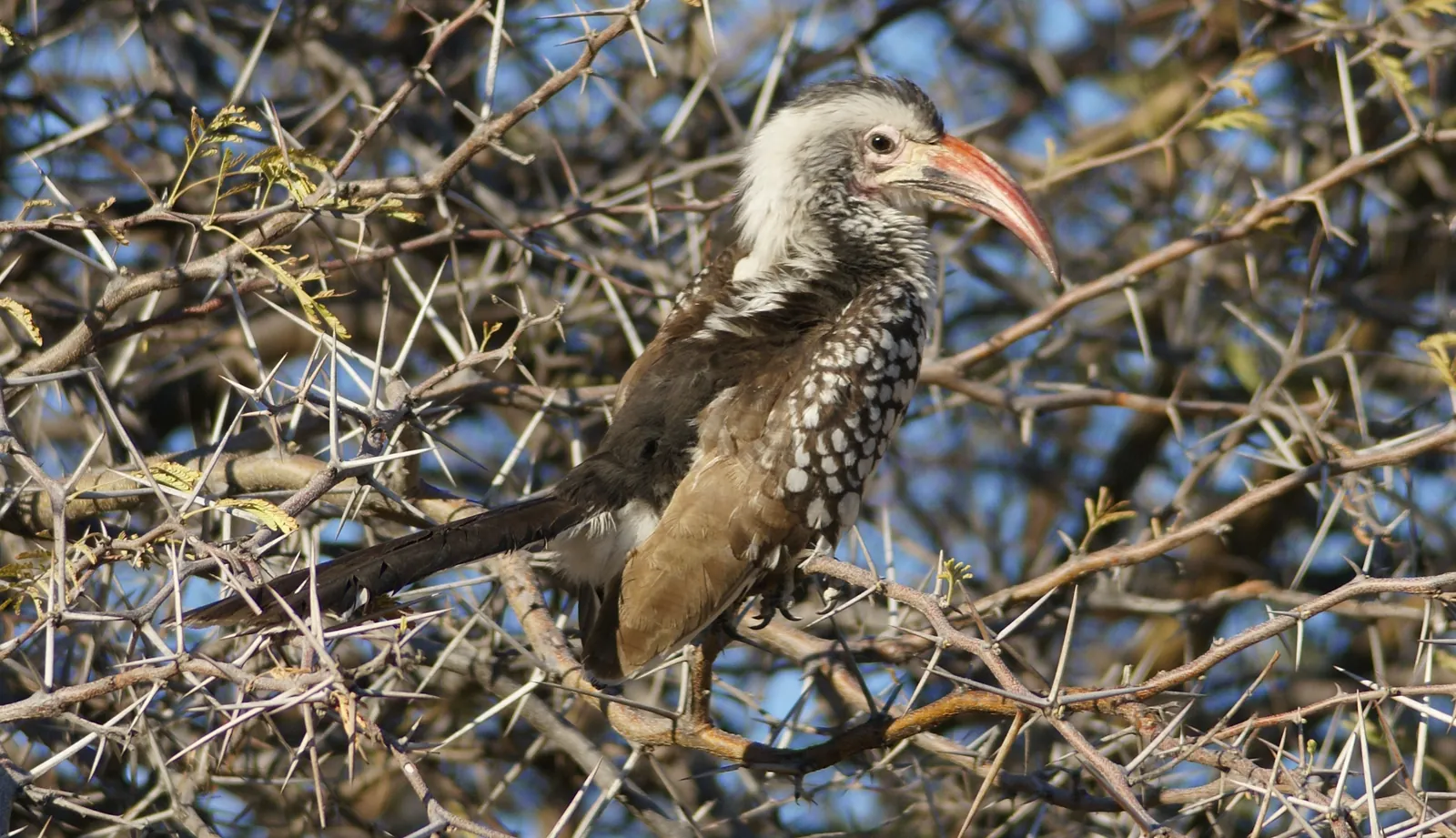
  • Damara Red-billed Hornbill (Tockus damarensis), photographed in Etosha, Namibia — not at the lodge

    Damara Red-billed Hornbill

    Tockus damarensis
    Look for
    A dark eye and a white face help separate it from Southern Red-billed Hornbill, which takes over further east.
    Where
    The red-billed hornbill of the arid north-west.

    Photo: Hans Hillewaert (CC BY-SA 3.0)

  • Carp’s Tit (Melaniparus carpi), photographed in Namibia — not at the lodge

    Carp’s Tit

    Melaniparus carpi
    Look for
    Listen for a harsh call in a mixed bird party in mopane woodland.
    Where
    The black tit of arid north-western Namibia and south-western Angola, and one of the few birds confined to this region.

    Photo: Zieger M (CC BY-SA 4.0)

  • Violet Wood-hoopoe

    Phoeniculus damarensis
    Look for
    The large, purple-glossed wood-hoopoe. Family groups work the tall trees; follow the cackling in the early morning.
    Where
    Along dry riverbeds in dry north-western Namibia.

The lie of the land

The lodge sits 5 km south-east of Opuwo, on the C41. The specials above are birds of this wider country — the mopane around Opuwo, the hills of Kaokoland, and, further north, the palm forest along the Kunene at Epupa Falls. The map is only a guide to the country; it is not a promise of where a bird will be on any given morning.

Locator map of north-western Namibia, showing Kaoko Mopane Lodge 5 km south-east of Opuwo, Epupa Falls on the Kunene River, and the wider Kaokoland.Kaoko MopaneOpuwoEpupa FallsSesfonteinRuacanaNamibiaAngolaAtlanticOceanKunene RiverAround OpuwoWider KaokolandKunene riverine100 kmNOpuwo and the lodge5 km south-east of town, on the C41OpuwoKaoko Mopane5 km
  • Kaoko Mopane
  • Opuwo
  • Epupa Falls
  • Kunene River
  • Around Opuwo
  • Wider Kaokoland
  • Kunene riverine, at Epupa

For the drive, use this link — Google Maps sometimes shows the wrong turn-off from Opuwo.

Open the lodge in Google Maps

Map drawn from Natural Earth and OpenStreetMap data. © OpenStreetMap contributors.

In rocky hills of the wider area

Hartlaub’s Spurfowl and Rockrunner belong to rocky koppies and grassy hills more than to a lodge garden. Both occur in the Kaokoveld, but they are more often reported from rocky ground than from Opuwo itself, and we have not photographed them here.

Further north, along the Kunene

If your journey continues toward Epupa Falls, the palm forest along the Kunene River is the place for two specials of that riverine country: Rufous-tailed Palm-Thrush and Cinderella Waxbill. They are not garden birds at the lodge. Herero Chat, another Namibian near-endemic, is more typically looked for further south along the escarpment, around Kamanjab, Hobatere and the Erongo, rather than here in Opuwo.

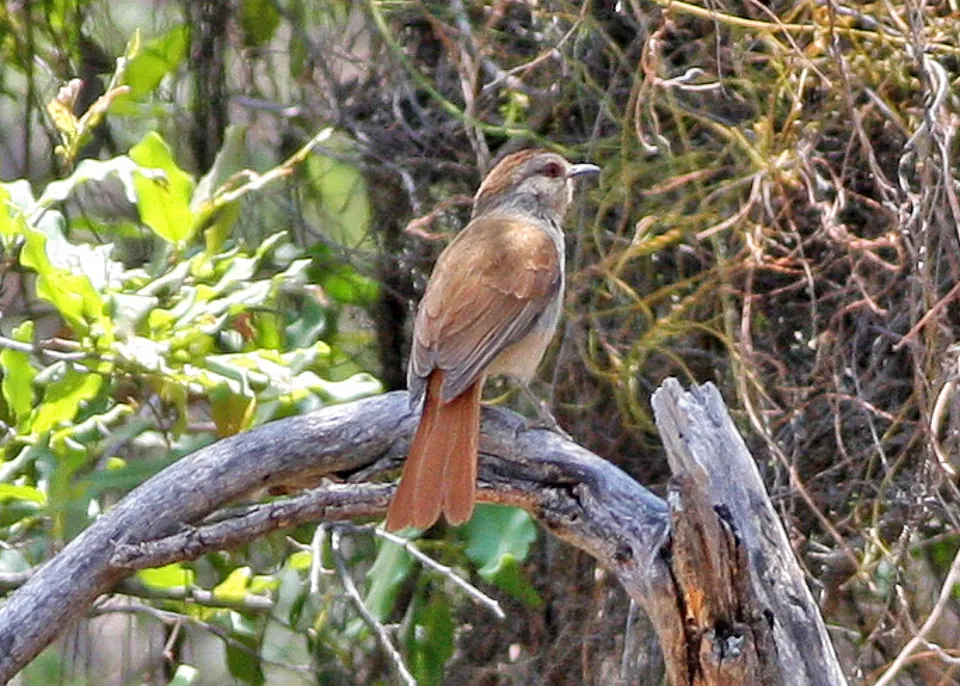
Rufous-tailed Palm-Thrush, photographed between Hobatere and the Kunene River — not at the lodge

Photo: Ron Knight (CC BY 2.0)

Cinderella Waxbill, photographed between Hobatere and the Kunene River — not at the lodge

Photo: Ron Knight (CC BY 2.0)

When to come, and what to look out for

The best season

You can watch birds here all year, because many of the Kaokoland specials are resident. The liveliest months are the summer rains, roughly November to April, when migrants from elsewhere in Africa and from Eurasia arrive and the bush has more life in it.

The best time of day

Early morning is the most rewarding, and late afternoon comes a close second. In the heat of the day, activity drops, though raptors may still pass overhead. A quiet hour in the garden, a walk in the mopane woodland around the lodge, and a little time at a water point will show you more than rushing about.

A little etiquette

Binoculars are enough. Give nesting birds space — weavers sometimes build around the lodge, and they do better if we do not fuss at the nest. Keep a little distance, keep voices down, and enjoy whatever comes by.

If you would also like a Himba tour during your stay, our two tours are led by local guides who know this land and its people best, so every tour you book supports local. Himba tours from Opuwo →

Birding questions

A few things guests ask us. Anything else, just ask.

What birds can I see at Kaoko Mopane?

The garden and the mopane woodland around the lodge attract a changing mix of birds. Rene has photographed a Crimson-breasted Shrike here, and over the years other species have come through as well. We do not publish a formal lodge list, and we only name a bird as occurring at the lodge if we have seen it here.

What specials can I look for around Opuwo and in Kaokoland?

In the wider area, birders often hope for near-endemics such as Bare-cheeked Babbler, White-tailed Shrike, Rüppell’s Parrot, Monteiro’s Hornbill, Damara Red-billed Hornbill, Carp’s Tit and Violet Wood-hoopoe. Hartlaub’s Spurfowl and Rockrunner belong more to rocky hills. Further north along the Kunene, toward Epupa, look for Rufous-tailed Palm-Thrush and Cinderella Waxbill. None of this is a promise that every species will appear on a short stay.

When is the best time for birding in Opuwo?

Any time of year can be worthwhile, because many specials are resident. The summer rains, roughly November to April, are generally the liveliest, when migrants are also present. Early morning and late afternoon are the best hours of the day.

Do you offer guided birding tours?

No. We offer two tours, both Himba tours, led by local guides. Birding at the lodge is self-guided: bring binoculars and wander the garden and the mopane around us.

What should I bring?

A pair of binoculars, a little patience, and respect for nesting birds. A bird guide to Namibia or southern Africa is useful for the Kaokoland specials. We are happy to point you toward the garden and the woodland; we are not a guided birding operation.

A few sources we checked while writing this page: Vorstman’s Guide to the Birds of Southern Africa (species accounts for Bare-cheeked Babbler, White-tailed Shrike, Rüppell’s Parrot, Monteiro’s Hornbill, Damara Red-billed Hornbill, Carp’s Tit, Violet Wood Hoopoe, Hartlaub’s Spurfowl, Rockrunner and Herero Chat); iNaturalist observations within about 50 and 120 km of Opuwo; the Avibase checklist for the Opuwo constituency; and SafariBookings’ notes on birding in Kaokoland, including the November-to-April migrant season.

Book your stay

We’d love to welcome you

Book on NightsBridge and you see straight away what is free. All other bookings and booking enquiries go by email to our reservations office, and we’ll gladly help you plan your stay.